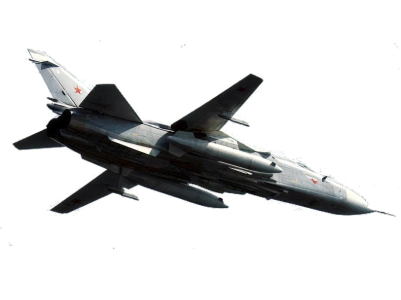
SU-24
The Sukhoi Su-24 is a supersonic, all-weather attack aircraft developed in the Soviet Union. The aircraft has a variable-sweep wing, twin-engines and a side-by-side seating arrangement for its crew of two. It was the first of the USSR’s aircraft to carry an integrated digital navigation/attack system.
Product details
The Su-24 has two Saturn/Lyulka AL-21F-3A after-burning turbojet engines with 109.8 kN (24,700 lbs) thrust each, fed with air from two rectangular side-mounted intakes with splitter plates/boundary-layer diverters.
In early Su-24 ("Fencer A" according to NATO) aircraft these intakes had variable ramps, allowing a maximum speed of 2,320 kilometers per hour (1,440 mph), Mach 2.18, at altitude and a ceiling of 17,500 meters (57,400 ft). Because the Su-24 is used almost exclusively for low-level missions, the actuators for the variable intakes were deleted to reduce weight and maintenance. The earliest Su-24 had a box-like rear fuselage, which was soon changed in production to a rear exhaust shroud more closely shaped around the engines in order to reduce drag.
The technical characteristics may have minor differences according to the different manufacturers of the given product. The manufacturers reserve the right to make changes to the specified parameters.
Related Tactical Choice
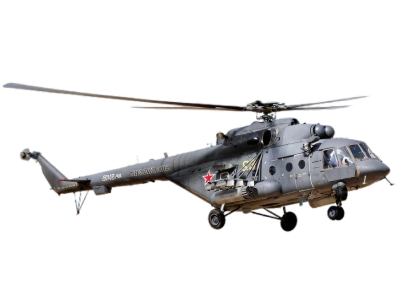
MI-17
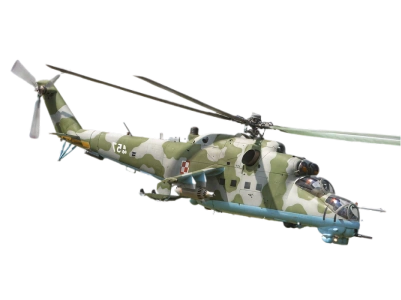
MI-24
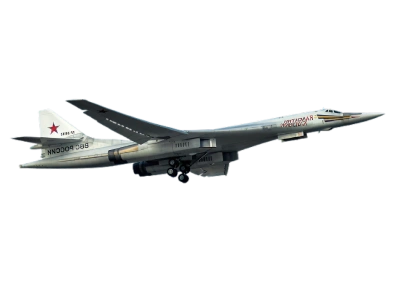
TU-160